
I try to make just about any unpleasant thing into something fun.
Nervous about something coming up? Play what I call “Best, Worst and Likely.” Think of the most insane worst case scenario you can come up with, I mean completely, laughably, darkly bonkers. Then think of the craziest best case scenario, again, more bonkers the better. Then realize real life is usually somewhere in the middle and think of what’s most likely. (If you watch This is Us, Beth and Randall do a version of this)
Have a relative with an inexplicable drive to send you belligerent middle-of-the-night texts and lengthy emails and letters listing all the ways they think you suck? (A real situation from my life) Play what I call “crazy person bingo.” Make a bingo card of all the abusive and/or off-the-wall things they usually go with, plus a few others you think are coming, then read the message and see what you get to check off! I got SO CLOSE to a blackout once but missed by one square. Dang.
Being able to create or find fun is helpful and a healthy way to cope, but I’ve found it’s especially important when helping kids through hard stuff.
There are challenges for my kids that on paper sound like…a lot. There’s epilepsy, and severe motor delays, respiratory disease, a heart murmur, and the label of “medically complex” to name a few. Last year I went to 97 medical appointments, most of them routine appointments with pediatric specialties, all but about 3 of them for our two boys. Some were super rough on both me and the child involved, most were “you’re doing everything right, keep going.” Having kids with extra needs isn’t all stress and limitations, our days are full of fun, play, exploring, learning and laughing (even the hardest days). There is sacrifice and worry, but with a little planning, creativity and fun the hard parts aren’t nearly as difficult. We try to implement the Mary Poppins idea of “In every job that must be done there is an element of fun.”
So, here are some things we do (and you can do) to make difficult situations a little easier for both us and the kids in our care. I hope these can be helpful for you and as you help other kids (or yourself) through hard times. These are things we mainly do for medical appointments and hard foster care days (visits, court, etc.) but most can be applied to just about any hard situation.
Before getting to the list though, one thing I want to emphasize is building resilience. We try to constantly build resilience in our kids and the kids who come through our home. Resilience is something that can be built and strengthened, and if a child is resilient they’re more likely to have better outcomes from whatever comes their way. This is something I’m still trying to learn about and always looking for new information on. If you’re interested in learning more about building resilience in kids I’d start with learning about ACE’s and protective factors. Now, onto the list…
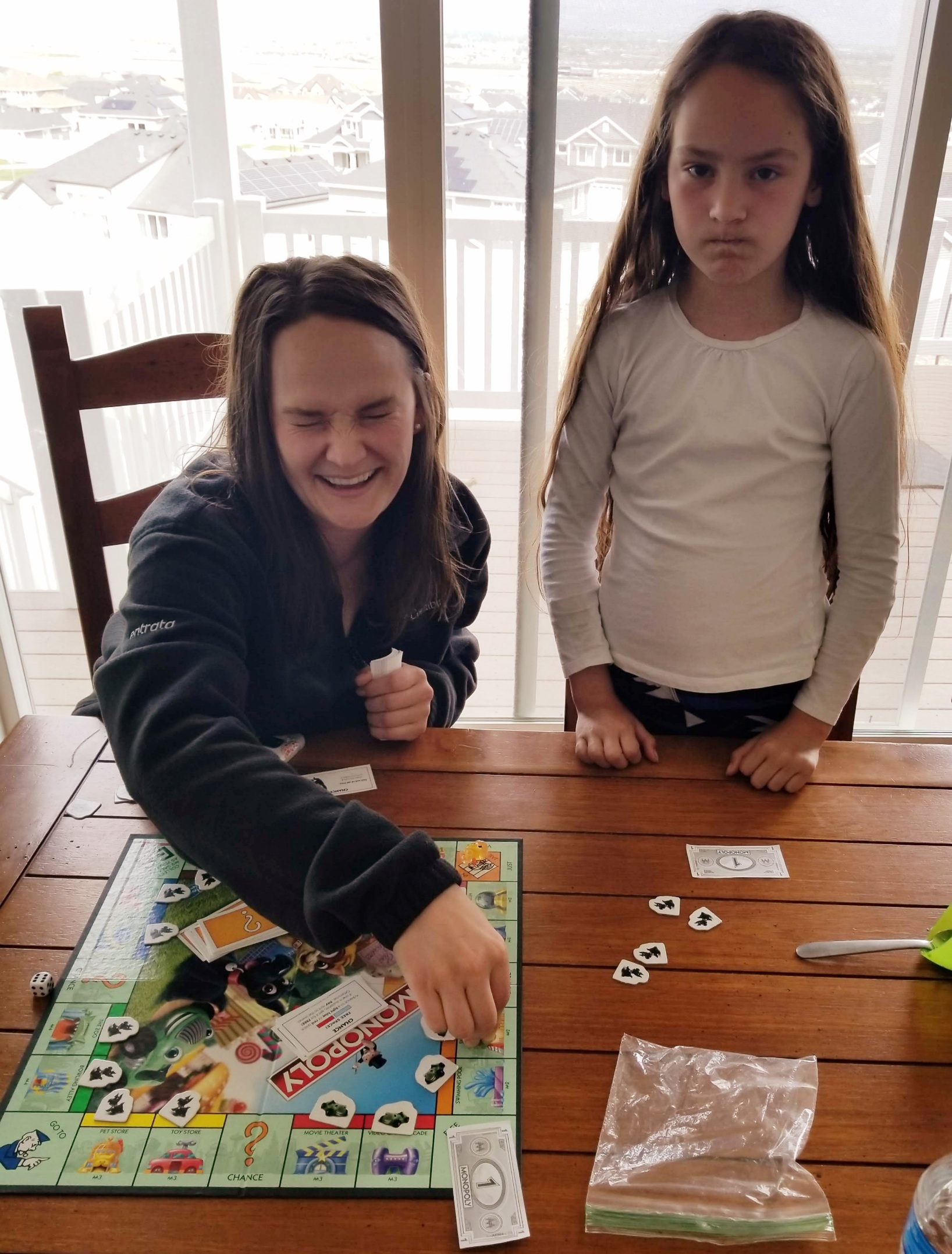
1. Always incorporate play. Kids should play as much as possible, that’s common sense backed by scientific study. For 7 years we’ve had near daily occupational therapy in our home, with periods of physical and speech therapy too (depending on the needs of the kids in our care at the time). But I don’t take a child aside and say “Alright, let’s work on the exercises you need to do.” We play “The Floor is Lava” as a family to help with gross motor development. We play with board games, card games, and create art to help with fine motor development. The big kids have been around OT and PT for so much of their lives that they play with babies doing exercises they know help develop the skills they need for sitting, crawling, walking, and going up stairs (the babies love the extra fun with the big kids and the big kids love showing off what they know). Always, always try to make the “chores” of life’s challenges into play for kids.
2. Know what kind of prep helps your child. One of our kids does better when they know every little detail of something hard coming up. Are there needles involved and how big are they? What does the doctor look like and what’s their specialty? What’s the order of events? Knowing the details calms and helps them feel more comfortable. For the kiddo who needs details we look up doctor bios online, we pull up pictures of the building, we map out how long the drive is and what places we’ll drive by, and for any questions I can’t answer we call ahead and ask.
For one of our other kids it’s the opposite, if you give them any specifics they’ll obsess, and stress, and spiral into panic before ever leaving the house. For my child who needs less info we focus on the fun parts, “After the appointment we’ll get smoothies!” or “Do you think they’ll have suckers or stickers at this office?” And I try to break the stress with silly conversations about whimsical things that “might” happen, “Do you think the doctor will be an elephant? Don’t roll your eyes! Maybe she went to elephant medical school, you don’t know her life! Maybe she’s a small elephant, like, human-sized and THAT’S why she can be an elephant doctor”.
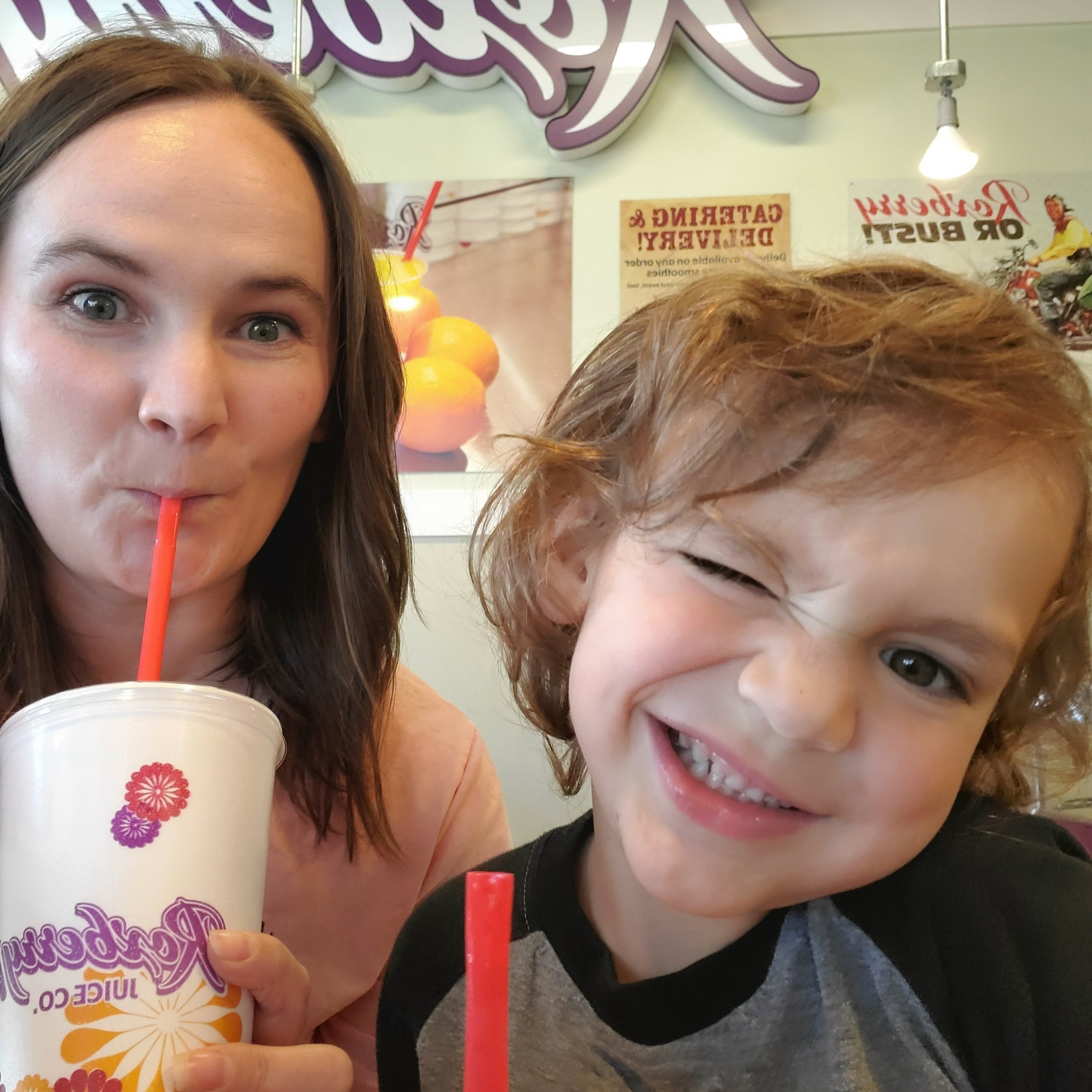
3. Have a post-hard-part positive planned. Across the street from one of the Primary Children’s Hospital locations there’s a smoothie and juice shop. After every appointment at that location we pop across the street for smoothies. The kids count on it and look forward to it each time. On the way home from court, visits, and other foster care appointments we stop at parks we’ve used many times to play hard and lift broken spirits. Have a simple something planned for afterward that your child can look forward to, whether that’s a treat you bring in the car, a fun place to stop on the way home, or anything else that best fits that child and your family.

4. A drive is more than a drive. I do a lot of driving for medical appointments. Our main children’s hospital is about an hour drive, the satellite location we usually go to for appointments is about 30 minutes away. At an average of around 90 routine appointments a year, plus hospitalizations and illnesses, that’s a lot of time in the car, (especially for a kid). I treat our drives as one-on-one Mama+kid connection time, time to chill with just them. We chat about whatever is on their mind, we play thought games like “Would You Rather” and “What would happen if…” I ask them open-ended questions about everything from their favorite snacks and shows to anxiety and fears. I also keep a music playlist for each child created from songs they like while we listen to music together. Whenever we’re driving to an appointment that child gets their special playlist played the whole way there and back if they want (with no siblings to object to their song choices). I do this even for the little Littles in our house, I watch what makes them move and dance along or just stop and listen, then I add it to their list. We use Amazon Music but I’m sure other streaming services would work too. We’ve also started listening to audiobooks through the Libby app recently and I think those might start winning out with the kids.
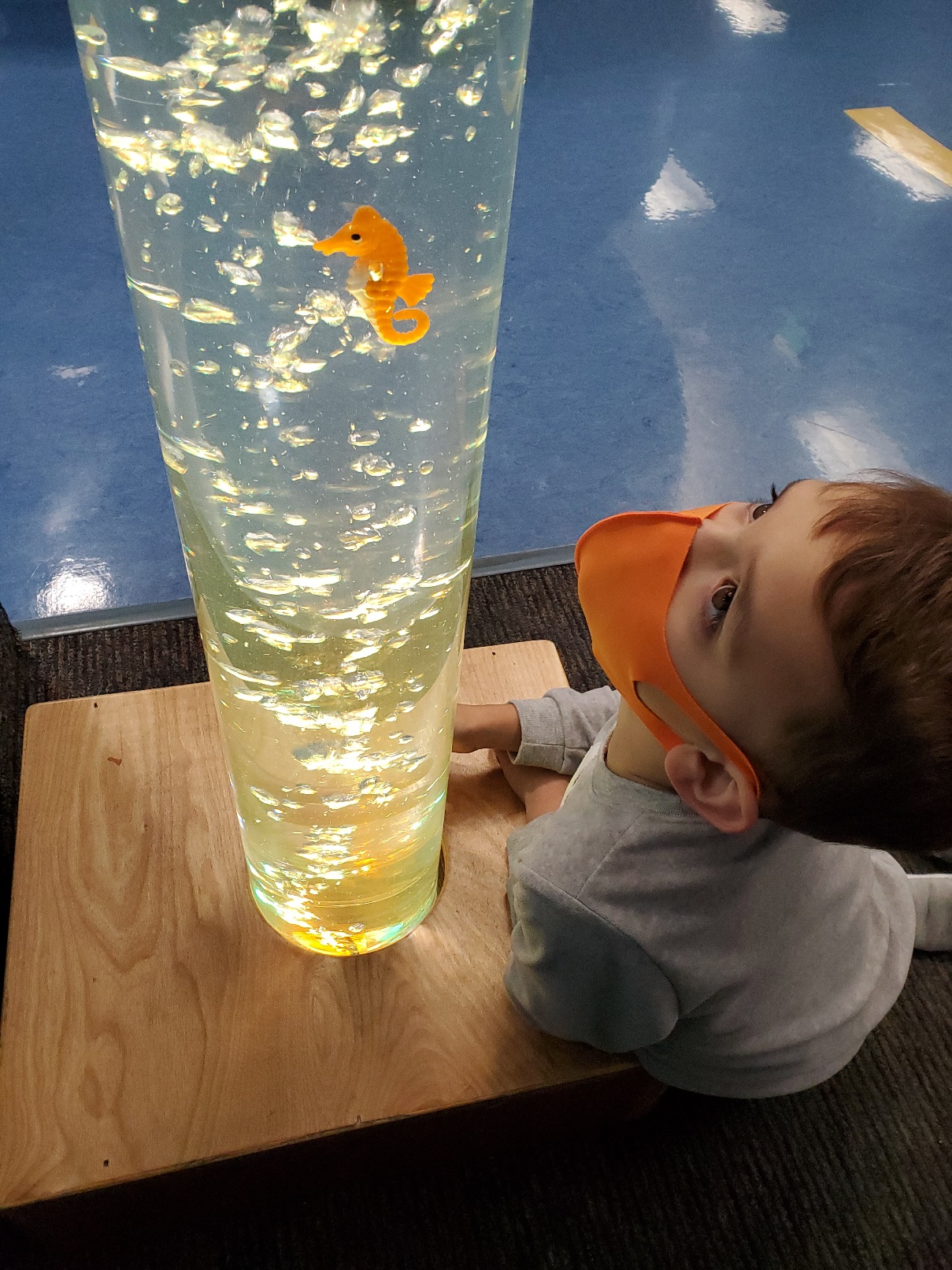
5. Say “yes” when you can. There are so many times I have to say “no” (“No, you can’t climb on the roof and jump off with your blanket as a parachute”) and there are lots of times I want to say “no”. There are a few limitations our kids have but they’re very, very few. There are far more things to which I can say “yes!” We can stop to touch the water in the fountain for as long as they want after an appointment (even though I want to get home). I can hold their hand while they slowly balance walk on top of the half wall before we go into the hospital (even though it’s hot outside and we’re short on time). We can make 3 loops through the carwash while they take video of it on my phone each time. We can stop for cookies on the way home. I really try not to say “no” if the only reason is because it’s inconvenient or I don’t want to.
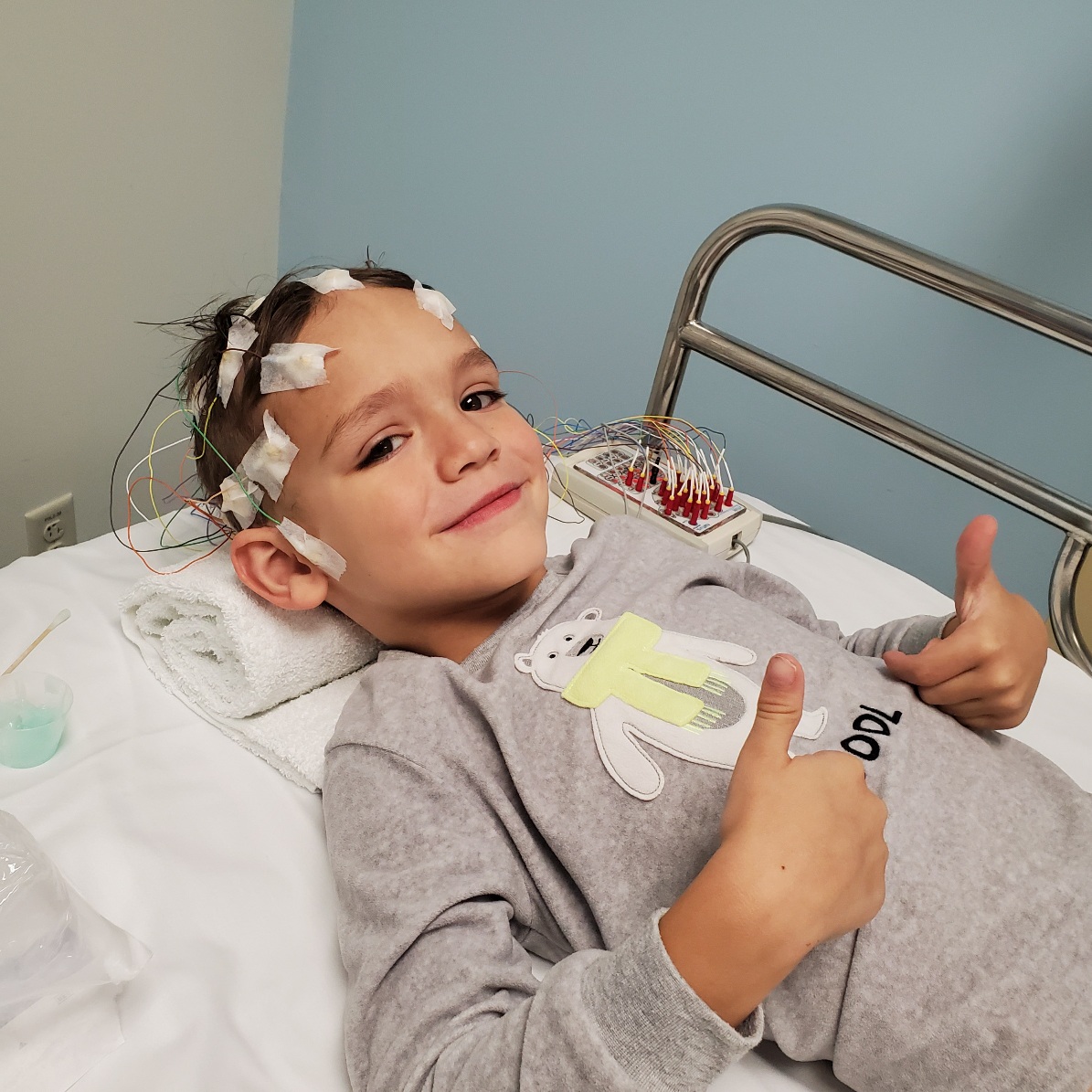
6. Save the breakdowns for the closet. This isn’t a way to make things more fun so much as a way to keep heavy realities from crushing little spirits. Cameron Boyce died of epilepsy weeks after my then 5-year-old was diagnosed with epilepsy. There are times where the gravity of their conditions hit and crush me. I’m great in a crisis, I stay calm and cool, and do what needs to be done. I’m great at the daily adjustments and their medical needs cause very little stress for our family. But after something big happens, and the fire is out, and I’m looking at how bad it could’ve been I sometimes need to cry and scream into a pillow in my closet before I can pickup and get back to it. We talk to our kids about how we feel, including telling them when we’re worried, scared, or frustrated about things, but I don’t ever tell them I’m afraid of them dying. I do want them to see hard emotions so they recognize it’s okay to feel those and talk about them, but when the feelings are too big for me I think they’re way too big for the kids and I don’t want them to feel like they need to carry any of it.
So, when kids have to deal with hard things try to make sure those things are sandwiched between and saturated with all the curiosity, play and joy that childhood is supposed to be made of. And as a parent or caregiver, remember to create some of that fun and wonder for yourself.

 Jess Building Joy