
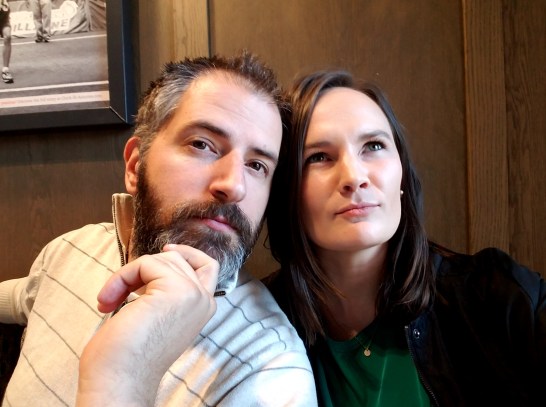
Last month was our 10-year wedding anniversary. Woohoo! Most of our “how to be awesome at marriage” advice is about preparation and conversations to have before getting married. One thing we do work on though is emotional upkeep, something that’s important in any marriage but especially when there’s pre-marriage trauma and the kind of stress that comes with being foster parents.
When we were figuring out what was to become of Two Babies we went to counseling to get help facilitating productive conversations about what to do. We understood each other and what (we thought) we were thinking, but we weren’t making progress and weren’t sure how to move forward. The therapist we saw after Noah died wasn’t practicing anymore so we found a new one. New Guy met with us each individually and then as a couple. At the end of our couple’s session New Guy said, “you guys are just really GOOD at therapy.” I kind of laughed, said thanks and then thought “that’s one of the best compliments I’ve ever been given.” After that I thought a lot about what I feel makes us “good at” therapy and counseling and what we do to make it productive and get as much help as possible when we go in. It helps that Daniel and I are both into self-improvement and we don’t like wasting money, so we really try to make the most of each session. 🙂
First, a quick note, therapy and counseling are two different things but they’re often used interchangeably. I’ve done individual therapy and counseling and as a couple we’ve done counseling. These tips apply to both, so whichever word I use, know the principle applies either way.
1. Go to Counseling
The first step to getting the most out of counseling or therapy is just showing up. It’s an obvious step but I think it can be one of the hardest. Finding a provider can be hard (affordable, accepting new patients, nearby, etc.) but even once you’ve found one and made an appointment the idea of walking through that door can be paralyzing.
I’ve been lucky over and over again that counseling and therapy have either been handed to me or made very easy to find and use. The first time I saw a counselor was in 3rd grade when I was pulled out of class to talk about what was going on at home. They walked me to a small room where I was asked general and then more pointed questions about my home life, then they suggested some coping methods for parts of the situation. Within my first week at university I was able to walk into the free counseling center provided on campus and start getting help with the most urgent issues I needed to work through. After Noah’s death our adoption agency set us up with a therapist and covered most of the cost.
Like I said, I’ve been very lucky to have this kind of help made easily available. During the worst of it though, the deepest part of the PTSD after losing Noah, I couldn’t figure out how to find the right kind of help. Our therapist recommended a specific kind of therapy and I couldn’t find a provider that was covered by our insurance, practiced this therapy, and was accepting new patients. When I found a provider that might’ve been able to help I didn’t have the courage or strength to call and follow through with an appointment.
Try to focus on just getting through the door. Find someone, make the call, then stand up and walk through that door.
2. Get introspective BEFORE your session
Ask yourself “why?” a lot. Why am I doing these things? How do I feel like past experiences are affecting me now? How would I like things to be? Why do I want things this way? What could be affecting my feelings on this? Is previous trauma affecting my reaction? Getting introspective before going in can help you more clearly articulate what’s going on and what you’d like to get from counseling.
3. Figure out the outcome you’re hoping for
What are you hoping to accomplish through therapy or counseling? Are you hoping for some inner calm and peace? Are you hoping to sort out a complicated mess of thoughts and feelings? Are you hoping to resolve conflict with your spouse or just understand them better? Understanding why you’re going and where you’d like to be eventually can help both you and your therapist help you get there.
4. Be honest with yourself and your therapist
Don’t b.s. your therapist. One, they’ll probably see through it so you’re wasting your energy. Two, it’s unproductive and a waste of your time and money. Your therapist is getting paid either way, so do yourself a favor and be honest with them so they can more quickly/easily help you get where you want to go.
5. Be open to getting out of your own way
Getting honestly introspective can be uncomfortable. Recognizing and abandoning your own unhealthy habits (including ways of thinking) that have been used as a protection can be painful. Try to be open to healthy change.
6. You’ll need to deal with the crisis before you can deal with the trauma
You may be going in to see a counselor to deal with childhood abuse, but if you’re going through a current crisis they’ll need to help you handle that first. As a therapist friend put it “we have to create peace in your life so you have the space to deal with and heal from the past.” When dealing with trauma that’s been covered up and avoided, working through it usually gets messy and uncomfortable before it feels resolved and peaceful (it feels worse before it feels better). If you’re already scrambling from a current issue plan to work through that a bit, creating a safer peaceful state, before opening old wounds.
7. Do your homework
Typically at the end of a session, especially with therapy, they’ll give you something to work on between then and your next session. Always do the homework. Homework is where a lot of the real growth occurs and change is made. Doing the homework also helps prepare you to get even more out of your next session.
8. Know it’s okay to change therapists
Some people just don’t mesh well. Don’t change counselors just because you don’t like what they have to say, but do make sure you have someone who’s able to help you dig in and make progress.

 Jess Building Joy